Staying Strong
Staying Strong: How People Experiencing Homelessness Can Still Prioritize Fitness and Wellness
Homelessness creates challenges that many people cannot imagine. The daily focus is often survival — finding shelter, food, safety, transportation, and support. In the middle of these struggles, personal fitness and health may seem impossible to maintain. Yet across cities and communities everywhere, many individuals experiencing homelessness continue to find ways to stay active, protect their health, and maintain their physical and mental strength.
Fitness is not only about appearance or athletic performance. It is also about survival, confidence, stress relief, mobility, and hope. Even in difficult circumstances, movement and exercise can become powerful tools for resilience and self-care.
Fitness Without a Gym Membership
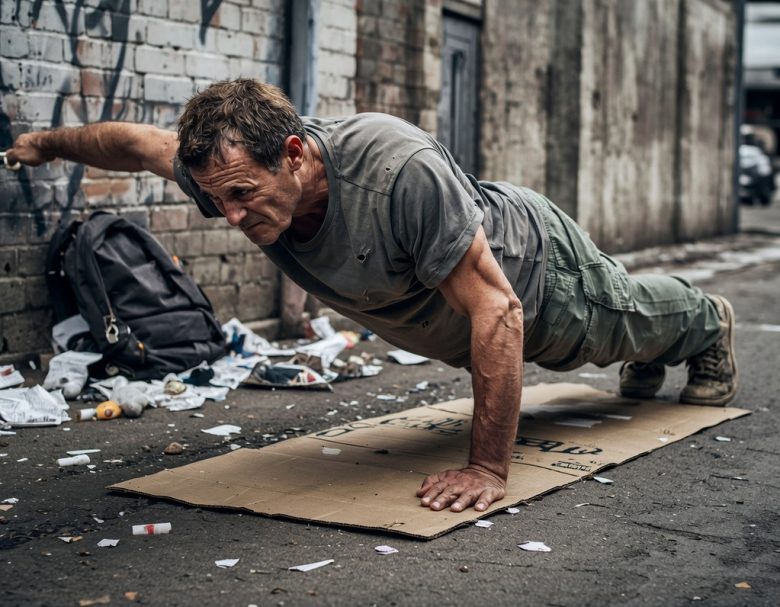
One of the greatest misconceptions about working out is that it requires expensive gyms or equipment. In reality, many effective exercises require nothing more than open space and determination.
Walking remains one of the most accessible forms of exercise. Many people experiencing homelessness already walk long distances daily, often carrying bags or personal belongings. While this movement is born from necessity, it still contributes to endurance and cardiovascular health.
Simple bodyweight exercises can also be performed almost anywhere:
Push-ups
Squats
Lunges
Sit-ups
Stretching routines
Jumping jacks
Chair or bench exercises in parks
Public parks, recreation centers, shelters, and community spaces can provide opportunities for movement and exercise without cost.
Mental Health and Physical Activity
Exercise is not only beneficial for the body — it can also help reduce stress, anxiety, depression, and emotional exhaustion. Homelessness often comes with emotional trauma, uncertainty, and isolation. Physical activity can provide moments of relief, focus, and empowerment.
Even small daily routines can make a difference:
Morning stretches
Short walks
Breathing exercises
Meditation
Light strength training
These activities help create structure and encourage self-worth during unstable times.
Community Support Matters
Communities can play a major role in supporting wellness for unhoused individuals. Donations of items such as:
Comfortable shoes
Socks
Hygiene kits
Water bottles
Athletic clothing
Healthy snacks
can significantly improve a person’s ability to stay active and healthy.
Some shelters and nonprofit organizations now include wellness programs, yoga classes, walking groups, and fitness activities as part of their outreach services. These programs not only improve physical health but also build confidence and community connection.
Nutrition Challenges
Maintaining proper nutrition while homeless can be difficult due to limited food options and inconsistent meals. However, many individuals do their best to make healthy choices when possible by:
Drinking water regularly
Choosing protein-rich foods when available
Eating fruits and vegetables from food banks or outreach programs
Avoiding excessive sugary drinks
Access to healthy food remains one of the most important issues communities must continue addressing.
Strength Beyond Circumstances
Fitness while homeless is not about perfection. It is about perseverance. It is about individuals refusing to let their circumstances completely define their physical and mental well-being.
Many people facing homelessness continue to show incredible resilience every day. Their ability to survive difficult conditions while still striving to care for themselves demonstrates remarkable strength.
As communities, we must continue supporting programs that provide shelter, healthcare, wellness opportunities, and compassion. Everyone deserves dignity, health, and the opportunity to care for themselves regardless of their current situation.
Because wellness should never be a luxury reserved only for those with stability — it should be accessible to all.-- Nate Collins - Speed and Agility Coach